
AI News
A Beginners Guide to Training AI Models

What is AI and Why Does It Matter?
Artificial Intelligence (AI) is everywhere today. From smart phones to self-driving cars, AI helps machines think and learn like humans. But how do we actually teach these machines? This guide will explain AI training in simple terms that anyone can understand.
Understanding the Building Blocks
What is Machine Learning?
Think of machine learning like teaching a child to recognize animals. You show them many pictures of cats and dogs, and eventually they learn to tell the difference. Machine learning works the same way – we show computers lots of examples until they learn patterns.
The Difference Between AI, Machine Learning, and Deep Learning
- AI is the big picture – making machines smart
- Machine Learning is one way to make AI work – using math and data
- Deep Learning is a special type of machine learning that copies how our brain works
How to Train an AI Model: Step by Step
Step 1: Getting Good Data
Just like you need good ingredients to cook a great meal, you need good data to train AI. This means:
- Collecting lots of examples
- Making sure the data is clean and correct
- Removing any mistakes or bad information
Step 2: Preparing Your Data
Before training starts, you need to:
- Clean up messy information
- Organize everything properly
- Make sure you have enough examples
Step 3: Training Your Model
This is where the magic happens. The computer looks at all your examples and starts learning patterns. It’s like studying for a test – the more practice, the better the results.
Step 4: Testing If It Works
After training, you need to test your AI with new information it hasn’t seen before. This tells you if it really learned or just memorized the examples.
Different Ways to Train AI
Supervised Learning
This is like having a teacher. You show the computer the right answers along with the questions. For example, showing pictures labeled “cat” or “dog” so it learns to identify them.
Unsupervised Learning
This is like letting the computer figure things out on its own. You give it data without labels and let it find patterns by itself.
Transfer Learning
This is like using knowledge from one subject to help with another. Instead of starting from scratch, you take an AI that already knows something and teach it new skills.
Advanced Training Techniques
Fine-Tuning Your Model
Just like tuning a guitar, you need to adjust your AI’s settings to get the best performance. This involves:
- Changing how fast it learns
- Adjusting how much data it looks at once
- Testing different combinations
Avoiding Common Problems
- Overfitting: When your AI memorizes instead of learning
- Underfitting: When your AI doesn’t learn enough
- Bad data: Garbage in, garbage out
Popular AI Tools and Frameworks
TensorFlow
- Made by Google
- Great for big projects
- Works well in business settings
- Good for complex calculations
PyTorch
- Made by Facebook
- Easier to learn
- Popular with researchers
- Great for trying new ideas
Legal and Ethical Considerations
When training AI, you need to think about:
- Privacy: Protecting people’s personal information
- Fairness: Making sure your AI treats everyone equally
- Legal issues: Following copyright and data protection laws
- Transparency: Being honest about how your AI works
Real-World Applications
AI training is used in many areas:
Healthcare
- Diagnosing diseases from medical images
- Discovering new medicines
- Predicting health problems
Business
- Detecting fraud
- Recommending products
- Automating customer service
Entertainment
- Creating art and music
- Writing stories
- Making video games
Transportation
- Self-driving cars
- Traffic optimization
- Route planning
Common Challenges and Solutions
Challenge: Not Enough Data
Solution: Use synthetic data or transfer learning
Challenge: Poor Quality Data
Solution: Invest time in cleaning and preparing data
Challenge: Expensive Computing
Solution: Use cloud services or pre-trained models
Challenge: Legal Concerns
Solution: Work with legal experts and follow best practices
Best Practices for AI Training
- Start Simple: Begin with basic models before trying complex ones
- Focus on Data Quality: Good data is more important than fancy algorithms
- Test Thoroughly: Always validate your results with new data
- Document Everything: Keep track of what you try and what works
- Consider Ethics: Think about the impact of your AI on society
The Future of AI Training
AI training is getting easier and more powerful. New developments include:
- Automated machine learning (AutoML)
- Smaller, more efficient models
- Better tools for non-experts
- Improved ethical guidelines
Getting Started: Your First Steps
If you want to start training AI models:
- Learn the Basics: Understand fundamental concepts
- Choose Your Tools: Pick a framework like TensorFlow or PyTorch
- Start Small: Try simple projects first
- Practice Regularly: The more you practice, the better you’ll get
- Join Communities: Connect with other AI enthusiasts
Conclusion
Training AI models might seem complicated, but it’s really about teaching computers to recognize patterns in data. With the right approach, good data, and proper tools, anyone can start building AI systems that solve real problems.
Remember that AI training is both an art and a science. It takes practice, patience, and continuous learning. But the rewards – creating systems that can help people and solve important problems – make it worth the effort.
Whether you’re a business owner looking to improve your operations, a student interested in technology, or someone curious about AI, understanding how these systems are trained gives you valuable insight into one of the most important technologies of our time.
Key Takeaways
- AI training is like teaching a computer to recognize patterns
- Good data is the foundation of successful AI
- There are different methods for different types of problems
- Testing and validation are crucial for success
- Ethics and legal considerations are important
- Start simple and build your skills gradually
The world of AI is constantly evolving, but the basic principles of training remain the same. Focus on understanding these fundamentals, and you’ll be well-equipped to explore the exciting possibilities that AI has to offer.





YouTube has officially announced the new AI-driven creation tools for generating the unique and best Shorts, according to a recent blog post by the platform.
The new features include a Photo to video converter, generative effects, and access to an AI playground for experimenting with creative outputs.
Photo to video tool
The Photo to video tool allows users to transform still images from their camera roll into animated Shorts. Users can select a photo and apply creative suggestions that add motion, such as animating landscapes, objects or group pictures.
This feature is being rolled out across the United States, Canada, Australia and New Zealand, with more regions expected to follow later in the year. For your information, it is available for free.
Both the Photo to video and generative effects are powered by Google’s Veo 2 technology. YouTube said Veo 3 would be integrated into Shorts later this summer.
The feature is currently available in the US, Canada, Australia and New Zealand and can be accessed by tapping the create button, followed by the sparkle icon.
YouTube noted that AI-generated content will include SynthID watermarks and clear labels to indicate that it was created using artificial intelligence.
According to the blog post, the new tools are designed to make the creative process more accessible, while preserving transparency about AI use in content creation.

Google has officially released a series of updates to Firebase Studio aimed at expanding its AI development capabilities and deepening integration with popular frameworks and Firebase services.
For your information, the released features were unveiled at I/O Connect India.
At the core of the update are AI-optimised templates for Flutter, Angular, React, Next.js, and general Web projects. These templates enable developers to build applications in Firebase Studio using Gemini, Google’s AI assistant, with the workspace defaulting to an autonomous Agent mode.
“We’re unveiling new updates that help you combine the power of Gemini with these new features to go from idea to app using some of your favourite frameworks and languages,” said Vikas Anand, director of product management at Google.
Firebase Studio now supports direct prompting of Gemini to integrate backend services. Developers using App Prototyping Agent or an AI-optimised template can simply describe the desired functionality, and Gemini will recommend and incorporate relevant Firebase services, including adding libraries, modifying code, and assisting with configuration.
“You can get assistance from Gemini to help you plan and execute tasks independently without waiting for step-by-step approval,” said Jeanine Banks, vice president and general manager, Developer X at Google.
Nvidia reportedly plans to resume sales to China that’s become part of a global race pitting the world’s biggest economies against each other. The company’s announcement on Monday comes after Nvidia CEO Jensen Huang met with President Donald Trump at the White House last week.
AMD AI Chip Plan For China
AMD also planning to restart sales of its AI chips to China. “We were recently informed by the Department of Commerce that license applications to export MI308 products to China will be moving forward for review,” the company said in a statement to CNN. “We plan to resume shipments as licenses are approved. We applaud the progress made by the Trump Administration in advancing trade negotiations and its commitment to US AI leadership.”
Treasury Secretary Scott Bessent told Bloomberg in an interview Tuesday that the Nvidia export controls have been a “negotiating chip” in the larger US-China trade talks, in which the two countries have made a deal to lower tariffs charged on one another.
The same day Commerce Secretary Howard Lutnick said that the resumption of Nvidia’s AI chip sales to China was part of the trade agreement with Beijing on rare earths. “We put that in the trade deal with the magnets,” he told Reuters, referring to rare earth magnets.
“In order for America to be the world leader, just like we want the world to be built on the American dollar, using the American dollar as a global standard, we want the American tech stack to be the global standard,” Huang told CNN’s Fareed Zakaria in an interview that aired Sunday. “We love that the internet is created by American technology and is built on American technology, and so we should continue to aspire to that.”




 AI News8 months ago
Google Expands Firebase Studio with AI Tools for Popular Frameworks

 AI News9 months ago
Turn Photos into Videos Using Google Gemini AI
- AI News9 months ago
Apple New AI Model Can Detect Pregnancy With 92 percent

 AI Tutorial9 months ago
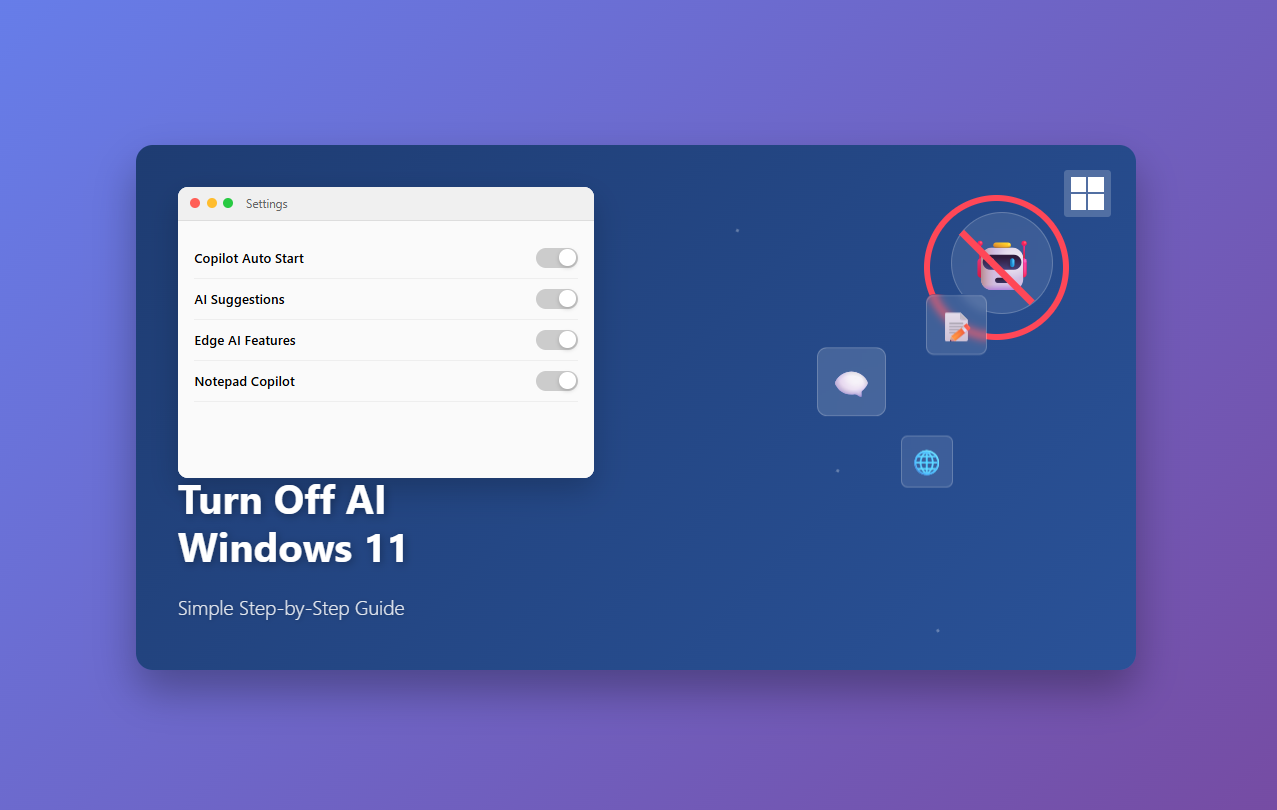
How to Turn Off Microsoft AI Features
- AI News8 months ago
YouTube rolls out new AI-powered tools for Shorts creators
- AI News9 months ago
OpenAI has now restored the services after outage
- AI News9 months ago
Google hires Windsurf execs in $2.4 billion deal
- AI Tools9 months ago
Is This Simple Note-Taking App the Future of AI?




Pingback: Google AI Model Reads Human Behavior Patterns - AI Tools Daddy