
AI News
AI Tools News: Major Updates from ChatGPT, Claude, and Gemini

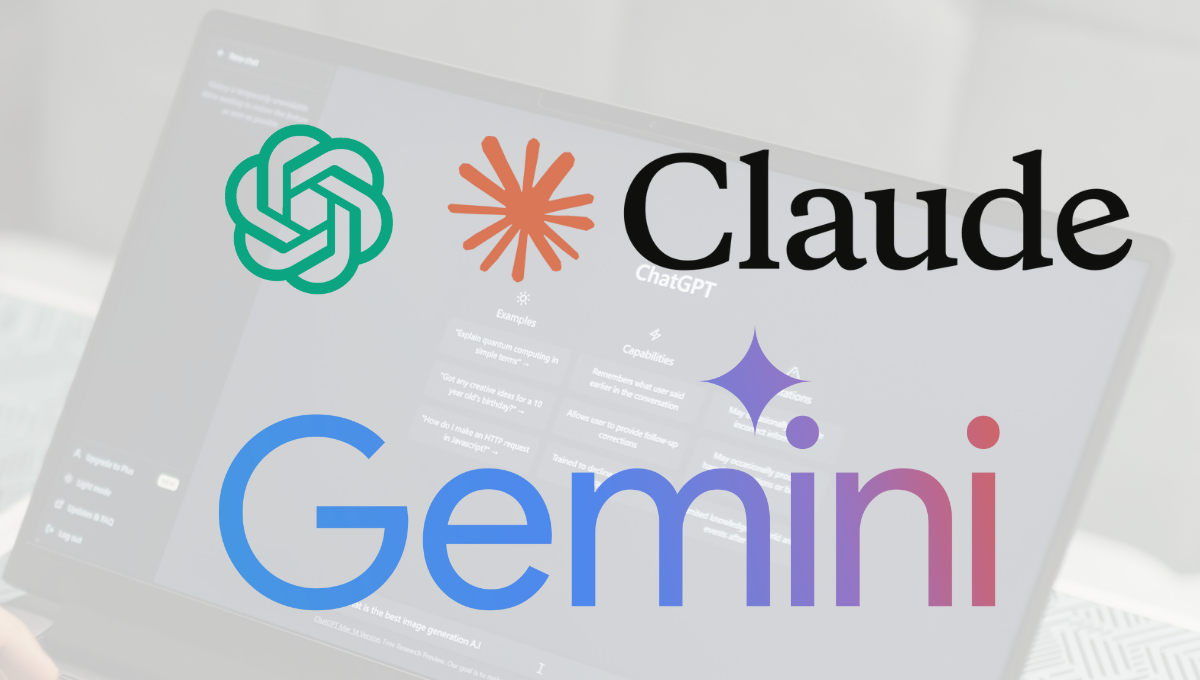
AI technology is rapidly growing at top-notch speed, with platforms like ChatGPT, Claude, and Gemini constantly pushing the boundaries. These platforms are not only enhancing their capabilities but are reshaping how users interact with technology. Keeping up with these updates is crucial for anyone interested in AI’s potential to revolutionize industries.
Recently, developments such as the introduction of GPT-4.1 and the launch of Claude 4 have increased interest among users and tech enthusiasts. Google’s Gemini platform isn’t lagging, making notable changes in integration and performance. Each update signifies a shift towards more intuitive, capable, and secure AI systems.
This article delves into these major updates, examining OpenAI’s efforts with ChatGPT, Claude’s enhancements in problem-solving, and Google’s push for optimized AI performance. We’ll explore how these advancements impact user experience and set the stage for future trends in AI technology.
Overview of Platform Enhancements
Recent updates from ChatGPT, Claude, and Gemini showcase substantial improvements in their language models and online tools. Gemini now supports document uploads, allowing users to upload Google Docs, PDFs, and Word documents for quick summaries. Standard users enjoy a 32K context window, while Gemini Advanced users benefit from a 1 million token context window, significantly enhancing the analysis of complex tasks.
Claude Opus 4 and Claude Sonnet 4 are integrated with Copilot Chat in Visual Studio Code and GitHub, streamlining the software development process. Leveraging collaborations with Anthropic PBC and Google Cloud Platform, these integrations provide advanced assistance in programming languages. Meanwhile, Gemini’s integration with Google Assistant allows users to perform functions via voice commands, supporting devices including Smart Displays and watches.
OpenAI’s ChatGPT Developments
OpenAI has improved ChatGPT a lot, making it work better and easier to use. They’ve been working on helping ChatGPT remember things and understand more context so it can help users better. They’ve also added tools like Codex that help with coding and programming, not just regular chatting.
Introduction of GPT-4.1
The introduction of GPT-4.1 marks a pivotal advancement in OpenAI’s language models. This version is recognized alongside OpenAI’s best model, o3, highlighting a noted naming among users. Performance benchmark data for GPT-4.1 is crucial for evaluating its capabilities, ensuring it meets the evolving needs of users. The release aligns with OpenAI’s commitment to continually improve their language offerings up to 2023.

Integration with GitHub
OpenAI has teamed up with GitHub to give developers powerful coding tools. Developers can now use Codex and Claude models right inside GitHub to quickly respond to code reviews and fix errors. There’s also Claude Code, which is a beta tool that shows what’s possible with Claude’s SDK on GitHub. It helps users manage their Copilot settings more easily through the platform.
Speculations on ChatGPT-5
There is a growing buzz about the future release of ChatGPT-5. This anticipated version is expected to further expand memory and broader context capabilities to enhance service delivery. Leading AI providers, including ChatGPT, focus on integrating their models into comprehensive solutions rather than standalone products. These strategic improvements aim to push the boundaries of AI capabilities.
Advances in Personalization and Alignment
Gemini’s introduction of experimental personalization represents a significant advancement in AI interactions. By utilizing a user’s search history, Gemini delivers tailored responses, enhancing activities like brainstorming and retrieving previously searched information. Additionally, Claude models maintain a responsive and empathetic alignment, ensuring their queries assume legitimacy for legal compliance. This personalization aligns AI models with user expectations, improving interaction quality.
Developments in Anthropic’s Claude
Anthropic has significantly advanced the field of language models with the release of Claude Opus 4 and Claude Sonnet 4. These models enhance capabilities in coding, reasoning, and developing AI agents. Highlighted for their performance in complex tasks, they promise to redefine software development and coding workflows for developers and AI enthusiasts alike.
Launch of Claude 4
The launch of Claude 4 from Anthropic introduces Claude Opus 4 and Claude Sonnet 4 models, setting new benchmarks for AI performance in coding and reasoning. Claude Opus 4 is especially distinguished as the most advanced in Anthropic’s lineup, excelling in software development tasks through extended context and adaptive execution. At the launch event, Code with Claude, the models were showcased for their improved precision in coding and reasoning over previous models, though their focus on specific coding and agentic use-cases may limit their broader applications.
Enhancements in Problem-Solving and Creativity
Claude 3.7 Sonnet introduces extended thinking, enabling it to tackle complex problems with step-by-step reasoning. In comparison, Sonnet 4 significantly enhances coding capabilities, demonstrating superior problem-solving skills. It excels in developing autonomous multi-feature apps, showcasing creativity and advanced reasoning. These improvements in Sonnet 4 result in enhanced adherence to complex instructions and clearer outputs, while integration with Google AI, such as Gemini, allows for creative tasks like brainstorming and image generation.
Improvements in AI Safety Protocols
Google’s Gemini models introduce robust data protection measures that ensure user data is neither human-reviewed nor reused for training AI models. These models can be deployed securely in on-premises environments with Google Distributed Cloud and NVIDIA Blackwell, supporting strict data residency and regulatory standards. Gemini’s agentic AI capabilities empower users with complete data control, meeting high privacy and compliance standards. The collaboration with NVIDIA provides confidential computing capabilities, contributing to the secure deployment of Gemini models and enhancing safety in cloud operations.
Innovations in Google’s Gemini Platform
“Gemini” is Google’s latest evolution of AI, marking a significant shift from its predecessor, Bard. Now renamed, Gemini integrates seamlessly with Google Workspace, enhancing applications like Gmail, Docs, and Sheets. This platform provides AI-powered assistance directly within these apps, boosting productivity and allowing for creative expression in various tasks.
AI Integration in Workspace Apps
Gemini for Google Workspace acts as a constant helper, enhancing both productivity and collaboration. It’s integrated across various applications, functioning as a coach, thought partner, and productivity booster. Pre-made AI modules, known as Gems, offer expertise in business-related areas like hiring, sales pitches, and sentiment analysis, aiding users in achieving core business outcomes. Additionally, Gemini offers AI-driven writing, brainstorming, and summarization tools, accessible via the Gemini mobile app.
Enhanced Compatibility with NVIDIA Blackwell
Google’s partnership with NVIDIA has allowed Gemini models to be deployed on NVIDIA Blackwell platforms, now integrated with Google Distributed Cloud. This collaboration addresses privacy and compliance needs, facilitating secure AI deployment in regulated sectors such as healthcare and finance. The performance capabilities of NVIDIA Blackwell underpin the secure, efficient deployment of agentic AI, expanding Gemini’s accessibility in data centers and enhancing global reach for enterprises.
Implications for Optimized AI Performance
The Gemini models have been refined for enhanced performance, courtesy of the NVIDIA TensorRT-LLM library. This optimization allows better handling of inference workloads across varied deployment architectures. Collaborative efforts between NVIDIA and Google Cloud support developers by extending open-source frameworks like JAX, ensuring efficient scalability on Blackwell GPUs. As a result, the Gemini 2.5 models exhibit advanced reasoning capabilities, heralding them as the most intelligent AI models from Google to date, enhancing user access through the Google AI Pro subscription, which now includes all Gemini features.
Impact of Updates on User Experience
Recent updates from Gemini have significantly enhanced user experience by introducing a document upload feature. This allows users to seamlessly upload various file types for quick summaries and insights. Additionally, Gemini’s integration with Pixel Tablets enables users to manage tasks even when the device is unlocked, offering greater convenience. Claude, on the other hand, has focused on improving software development capabilities. Its updates support the entire lifecycle from design to maintenance, aiming for heightened coding excellence.
Intuitiveness of Interfaces
Gemini has made strides in interface intuitiveness, offering features that enhance user interaction. Its practice quiz feature not only facilitates personalized responses but also provides a conversational learning experience. With the Gemini assistant available in Chrome, users can explore complex topics and brainstorm within the browser window, eliminating the need to switch tabs. Furthermore, Gemini on mobile applications allows users to interact with on-screen content via voice commands, thus making use more seamless. The intuitive design also includes editing tools that refine documents efficiently, boosting productivity.
Expanded Capabilities in Coding and Research
The recent updates in Claude’s models emphasize expanded capabilities in both coding and research domains. The latest versions, such as Claude Code and Claude 3.7 Sonnet, are designed to support a broad spectrum of programming languages, ensuring strong performance in complex tasks. These models are built to handle both simple and intricate coding challenges, providing users with extended thinking tools. Coupled with deep research functionalities, Claude offers comprehensive solutions for programming endeavors, ensuring robust outcomes from design to execution.
Applications in Enterprise Solutions
Anthropic’s Claude models are increasingly integrated into enterprise solutions, offering cutting-edge software tools. With Claude Code on GitHub, businesses can efficiently respond to reviewer feedback, resolve CI errors, and modify code through a specialized agent experience. Enterprises benefit from using Claude models on Vertex AI for managed, serverless operations, which eliminates infrastructure management concerns. Additionally, Claude Opus 4 and Claude Sonnet 4 models are available within GitHub Copilot Chat, enhancing software development processes. Enterprises can exploit the Claude Code SDK to build custom agents and applications, leveraging its core functionalities for optimal results.
Future Implications and Prospective Developments
Looking ahead, major AI advancements such as Claude Opus 4 and Claude Sonnet 4 are setting new standards in coding, reasoning, and complex task execution. These models demonstrate enhanced precision and tool integration, such as web searches, proving essential for extended functionality within AI applications. Additionally, the strategic expansion of AI availability globally highlights a commitment to inclusivity and broader accessibility, which is crucial for the industry’s growth.
Trends in AI Technology
In the evolving landscape of AI technology, the spotlight is on the transition from experimental to practical applications. Innovations such as Claude and Gemini focus on features like advanced coding and reasoning, making them essential tools in next-generation AI agents. The global AI market is expanding, underscored by initiatives like Dell Technologies’ growth in AI server business and Gemini’s free upgrades aimed at student development. This geographic expansion fosters creativity and learning, highlighting AI’s pivotal role in education and business.
Future Directions for AI Platforms
AI platforms are poised to see significant advancements with key players like Google AI Ultra offering priority access to dedicated users. NVIDIA and Google Cloud are collaborating to optimize AI workloads, enhancing framework efficiency and GPU scalability. Gemini, integrated into Google’s AI Pro subscription, expands its utility with features like video generation using Veo 2, exemplifying powerful app capabilities. Platforms like Amazon Bedrock further heighten development by providing access to Anthropic’s tailored AI models for advanced task planning and codebase management.
Each of these advancements points towards a future enriched by sophisticated AI platforms designed to handle increasingly complex tasks with ease and efficiency. As AI technology continues to evolve, these developments ensure both depth in functionality and breadth in accessibility, paving the way for innovative solutions across industries.








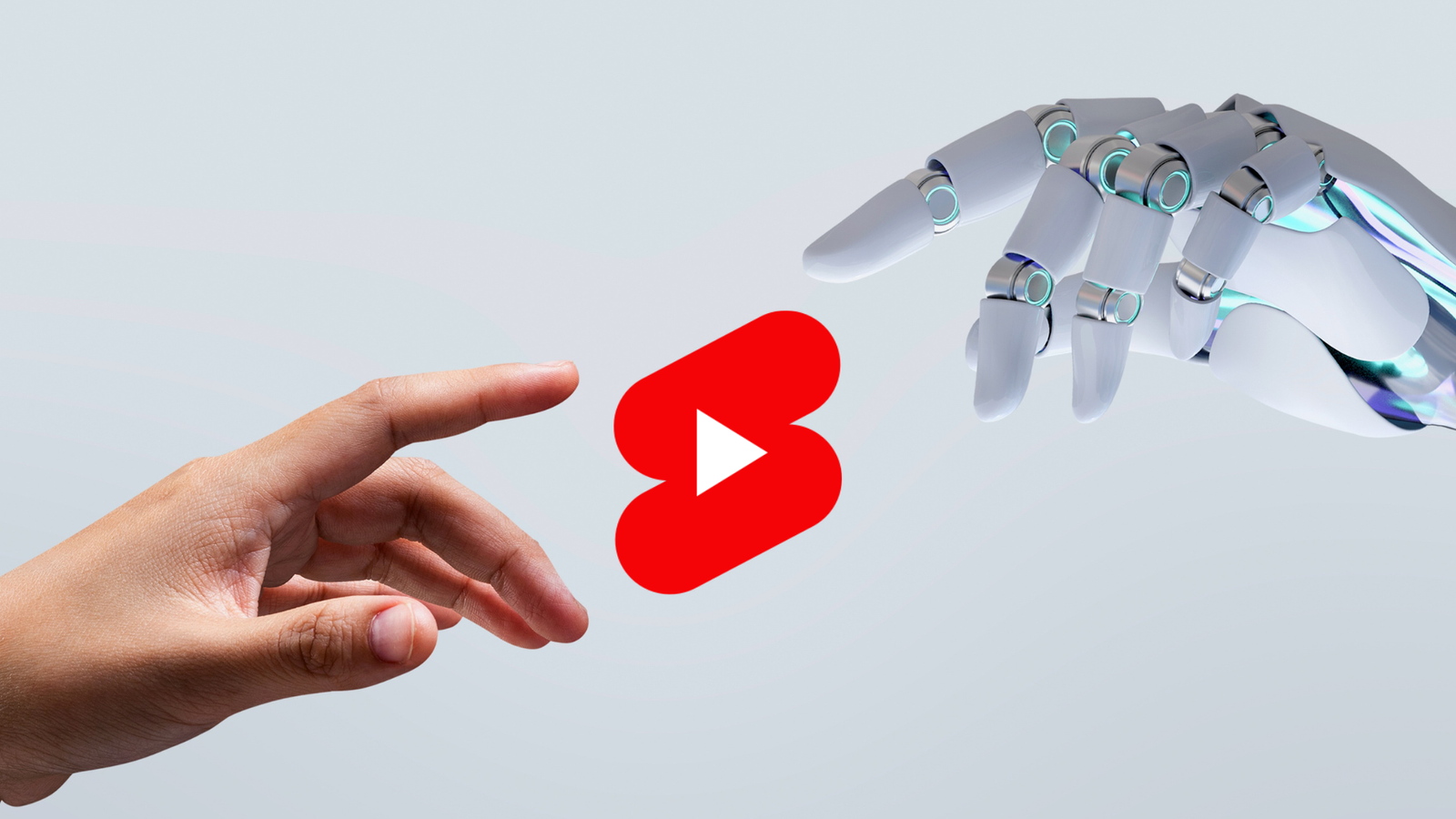
YouTube has officially announced the new AI-driven creation tools for generating the unique and best Shorts, according to a recent blog post by the platform.
The new features include a Photo to video converter, generative effects, and access to an AI playground for experimenting with creative outputs.
Photo to video tool
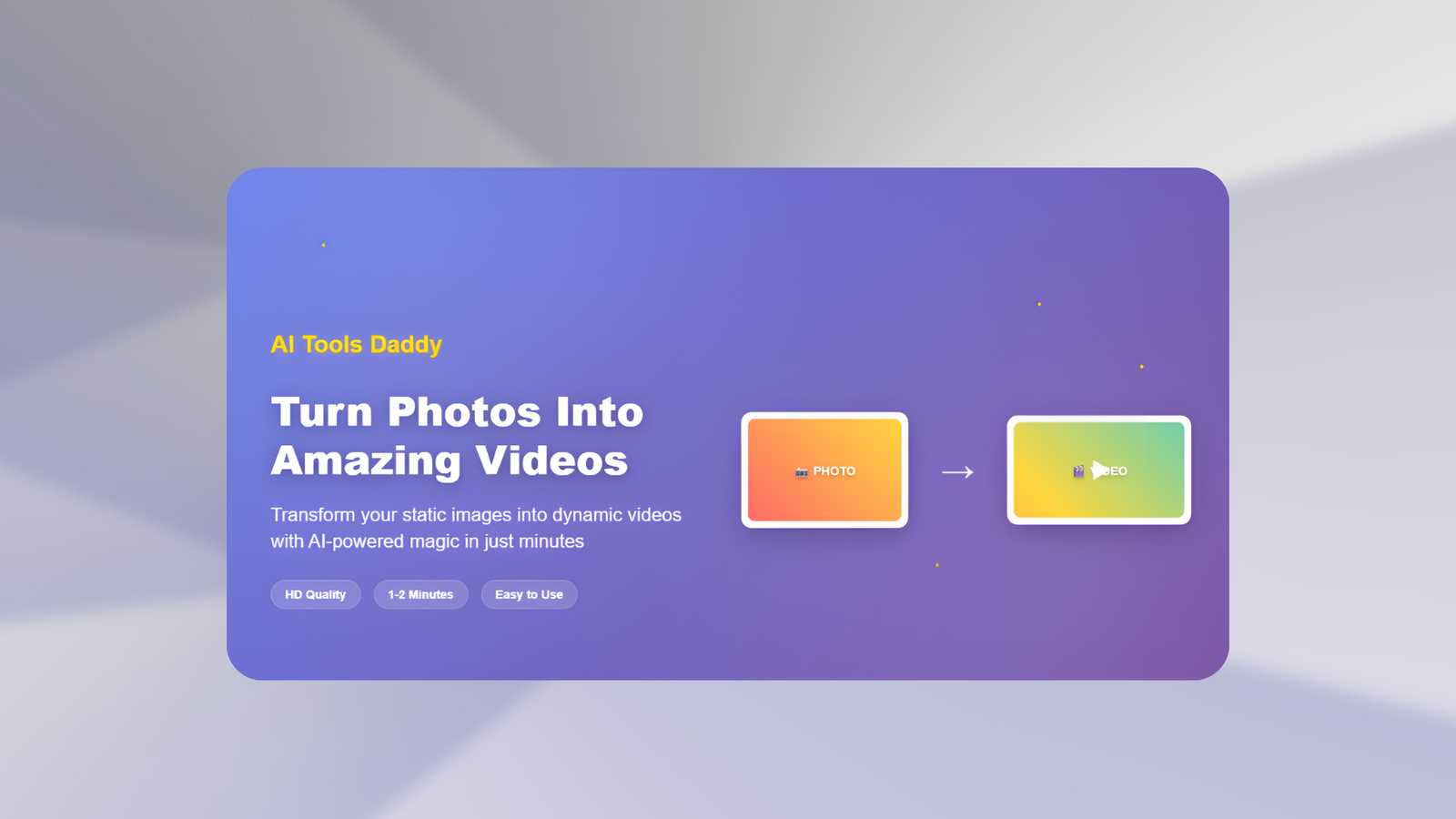
The Photo to video tool allows users to transform still images from their camera roll into animated Shorts. Users can select a photo and apply creative suggestions that add motion, such as animating landscapes, objects or group pictures.
This feature is being rolled out across the United States, Canada, Australia and New Zealand, with more regions expected to follow later in the year. For your information, it is available for free.
Both the Photo to video and generative effects are powered by Google’s Veo 2 technology. YouTube said Veo 3 would be integrated into Shorts later this summer.
The feature is currently available in the US, Canada, Australia and New Zealand and can be accessed by tapping the create button, followed by the sparkle icon.
YouTube noted that AI-generated content will include SynthID watermarks and clear labels to indicate that it was created using artificial intelligence.
According to the blog post, the new tools are designed to make the creative process more accessible, while preserving transparency about AI use in content creation.
Google has officially released a series of updates to Firebase Studio aimed at expanding its AI development capabilities and deepening integration with popular frameworks and Firebase services.
For your information, the released features were unveiled at I/O Connect India.
At the core of the update are AI-optimised templates for Flutter, Angular, React, Next.js, and general Web projects. These templates enable developers to build applications in Firebase Studio using Gemini, Google’s AI assistant, with the workspace defaulting to an autonomous Agent mode.
“We’re unveiling new updates that help you combine the power of Gemini with these new features to go from idea to app using some of your favourite frameworks and languages,” said Vikas Anand, director of product management at Google.
Firebase Studio now supports direct prompting of Gemini to integrate backend services. Developers using App Prototyping Agent or an AI-optimised template can simply describe the desired functionality, and Gemini will recommend and incorporate relevant Firebase services, including adding libraries, modifying code, and assisting with configuration.
“You can get assistance from Gemini to help you plan and execute tasks independently without waiting for step-by-step approval,” said Jeanine Banks, vice president and general manager, Developer X at Google.
Nvidia reportedly plans to resume sales to China that’s become part of a global race pitting the world’s biggest economies against each other. The company’s announcement on Monday comes after Nvidia CEO Jensen Huang met with President Donald Trump at the White House last week.
AMD AI Chip Plan For China
AMD also planning to restart sales of its AI chips to China. “We were recently informed by the Department of Commerce that license applications to export MI308 products to China will be moving forward for review,” the company said in a statement to CNN. “We plan to resume shipments as licenses are approved. We applaud the progress made by the Trump Administration in advancing trade negotiations and its commitment to US AI leadership.”
Treasury Secretary Scott Bessent told Bloomberg in an interview Tuesday that the Nvidia export controls have been a “negotiating chip” in the larger US-China trade talks, in which the two countries have made a deal to lower tariffs charged on one another.
The same day Commerce Secretary Howard Lutnick said that the resumption of Nvidia’s AI chip sales to China was part of the trade agreement with Beijing on rare earths. “We put that in the trade deal with the magnets,” he told Reuters, referring to rare earth magnets.
“In order for America to be the world leader, just like we want the world to be built on the American dollar, using the American dollar as a global standard, we want the American tech stack to be the global standard,” Huang told CNN’s Fareed Zakaria in an interview that aired Sunday. “We love that the internet is created by American technology and is built on American technology, and so we should continue to aspire to that.”



 AI News8 months ago
Google Expands Firebase Studio with AI Tools for Popular Frameworks

 AI News9 months ago
Turn Photos into Videos Using Google Gemini AI
- AI News9 months ago
Apple New AI Model Can Detect Pregnancy With 92 percent

 AI Tutorial9 months ago
How to Turn Off Microsoft AI Features
- AI News8 months ago
YouTube rolls out new AI-powered tools for Shorts creators
- AI News8 months ago
OpenAI has now restored the services after outage
- AI News9 months ago
Google hires Windsurf execs in $2.4 billion deal
- AI Tools9 months ago
Is This Simple Note-Taking App the Future of AI?
Pingback: Skip the Long Reads: Gmail Summaries with Google Gemini - AI Tools Daddy
Pingback: 2025 AI Tools Guide For Students And Research - AI Tools Daddy
Pingback: Discover the Best AI Chatbots of 2025: Deep Insights - AI Tools Daddy