
AI News
How AI Will Change Jobs by 2030

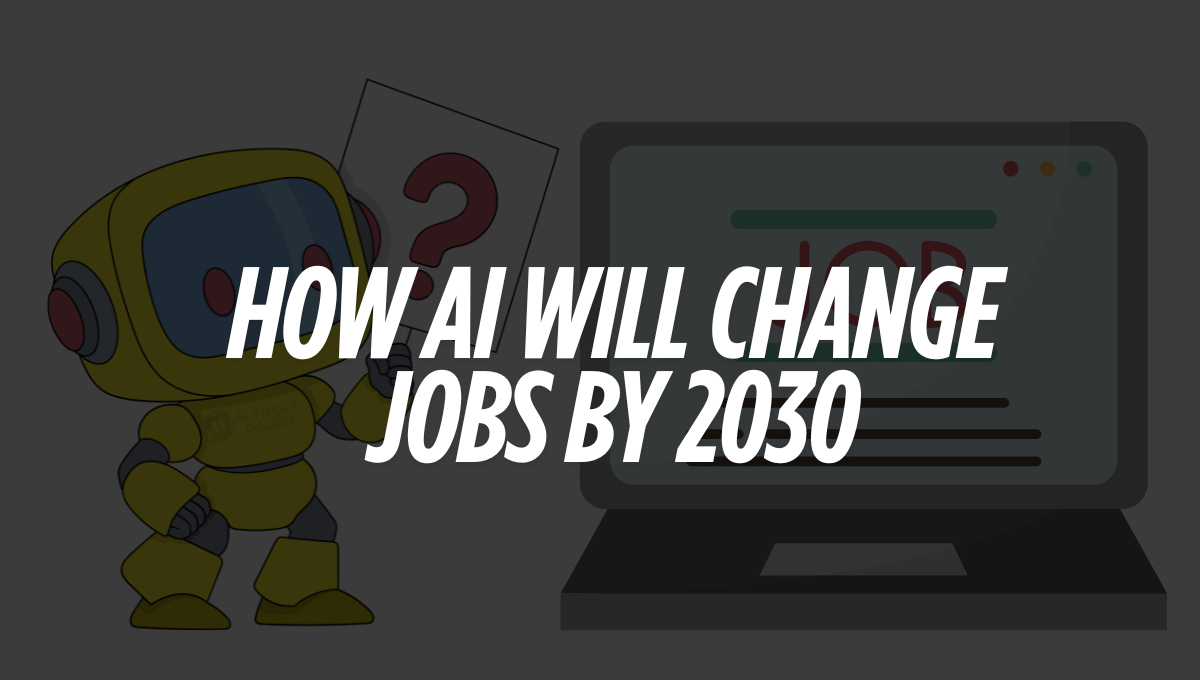
Artificial Intelligence (AI) is changing the way we work faster than ever before. By 2030, almost every job will be different because of AI technology. This guide explains what jobs might disappear, which ones will change, and how you can prepare for the future of work.
What Is AI and Why Does It Matter for Jobs?
Artificial Intelligence means computer systems that can think and learn like humans. These systems can recognize patterns, make decisions, and solve problems. AI is already in our phones, cars, and workplaces. As AI gets smarter, it will affect how we work in every industry.
The job market is changing because AI can do many tasks faster, cheaper, and sometimes better than humans. But this doesn’t mean all jobs will disappear. Instead, work will transform, creating new opportunities while changing existing roles.
Jobs That AI Might Replace Completely
Data Entry and Administrative Work
Data entry clerks spend their days typing information into computers. AI systems can now read documents, extract information, and enter data without making mistakes. These systems work 24 hours a day and don’t get tired.
Basic administrative tasks like scheduling meetings, organizing files, and managing simple databases are becoming automated. AI assistants can handle these routine tasks more efficiently than human workers.
Simple Accounting and Bookkeeping
Basic bookkeeping involves recording transactions, organizing receipts, and creating simple financial reports. AI accounting software can automatically categorize expenses, track income, and generate reports instantly.
Small businesses are already using AI tools that connect to bank accounts and credit cards to handle basic accounting tasks. This means fewer people will be needed for simple bookkeeping jobs.
Telemarketing and Cold Calling
AI chatbots can now make phone calls that sound like real people. These systems can answer questions, handle objections, and even close sales. They never get discouraged by rejection and can make thousands of calls per day.
Customer service roles involving simple questions and standard responses are being replaced by AI chatbots. These systems can work in multiple languages and provide instant responses.
Manufacturing and Assembly Line Work
Factories are using more robots every year. These machines can assemble products, paint cars, and package goods faster than human workers. Modern robots have sensors that help them work safely alongside people.
Quality control jobs, where workers check products for defects, are also being automated. AI systems can spot problems that human eyes might miss.
Basic Content Writing
AI can now write simple news articles, product descriptions, and social media posts. These systems can create content in seconds and adapt their writing style for different audiences.
However, AI still struggles with creative writing, complex analysis, and content that requires deep human understanding.
Transportation Jobs
Self-driving technology is improving rapidly. Autonomous trucks are being tested on highways, and self-driving cars are becoming more common in cities. This could affect millions of driving jobs, including:
- Long-haul truck drivers
- Taxi drivers
- Delivery drivers
- Bus drivers
The timeline for full automation varies, but experts predict significant changes by 2030.

How AI Will Change Jobs by 2030
Jobs That Will Change But Not Disappear
Healthcare Workers
Doctors, nurses, and medical technicians will work alongside AI, but won’t be replaced by it. AI can help diagnose diseases by analyzing medical images and patient data. It can suggest treatments and predict health problems before they become serious.
However, patients still need human doctors for emotional support, complex decision-making, and hands-on care. AI will make healthcare workers more effective, not unnecessary.
Education Professionals
Teachers will use AI tutoring systems to help students learn at their own pace. AI can grade tests, track student progress, and identify learning difficulties early.
But teachers provide motivation, emotional support, and creative instruction that AI cannot replicate. The role will shift toward mentoring and guiding students rather than just delivering information.
Legal Professionals
Lawyers will use AI to research legal cases, draft contracts, and analyze documents quickly. AI can review thousands of legal documents in minutes to find relevant information.
However, courtroom advocacy, client counseling, and complex legal strategy still require human judgment and communication skills. Lawyers who embrace AI tools will become more efficient and valuable.
Journalism and Media
Journalists will use AI to research stories, fact-check information, and even write basic news reports. AI can analyze large datasets to find story ideas and trends.
But investigative journalism, interviewing sources, and creative storytelling remain human strengths. Journalists who can work with AI tools while providing unique human insights will thrive.
Agriculture and Farming
Modern farmers use AI-powered drones to monitor crops, automated systems to plant and harvest, and smart sensors to optimize water and fertilizer use. AI helps farmers make better decisions about when to plant, treat, and harvest crops.
However, farming still requires human oversight, problem-solving, and decision-making. Farmers who adopt AI technology will be more productive and successful.
New Career Opportunities Created by AI
AI Specialists and Engineers
As companies adopt AI technology, they need people who understand how to build, maintain, and improve AI systems. This includes:
- AI software developers
- Machine learning engineers
- AI research scientists
- AI product managers
These roles require technical skills but offer high salaries and job security.
AI Training and Support Roles
AI systems need human guidance to work properly. New jobs include:
- AI trainers who teach systems to recognize patterns
- Data labelers who prepare information for AI training
- AI quality testers who check system performance
- AI support specialists who help companies implement AI tools
Ethics and Safety Professionals
As AI becomes more powerful, society needs people to ensure it’s used responsibly. New roles include:
- AI ethics officers who develop responsible AI policies
- AI safety researchers who prevent harmful AI behavior
- AI compliance specialists who ensure companies follow regulations
- AI auditors who check systems for bias and fairness
Human-AI Collaboration Designers
These professionals design how humans and AI work together effectively. They create interfaces, workflows, and training programs that help people collaborate with AI systems.
Data Analysis Experts
With more data than ever before, companies need people who can understand and interpret information. Data scientists, analysts, and visualization experts will be in high demand.
Personalized Service Providers
As AI handles routine tasks, human workers can focus on providing personalized, high-touch services. This includes:
- Personal coaches and consultants
- Custom product designers
- Experience designers
- Relationship managers
Essential Skills for the AI Era
Creative and Innovative Thinking
AI can copy existing ideas but struggles with true creativity. People who can generate original concepts, artistic works, and innovative solutions will be valuable.
Creative skills include:
- Artistic design and visual creativity
- Strategic thinking and planning
- Problem-solving in unique situations
- Innovative product development
Emotional Intelligence and People Skills
Understanding human emotions, building relationships, and providing empathy are uniquely human abilities. Jobs requiring these skills include:
- Therapy and counseling
- Sales and relationship building
- Team leadership and management
- Customer experience design
Critical Thinking and Analysis
While AI can process data quickly, humans excel at understanding context, questioning assumptions, and making complex judgments.
Important analytical skills include:
- Evaluating information quality
- Making decisions with incomplete data
- Understanding cause and effect relationships
- Identifying bias and logical errors
Communication and Persuasion
Clear communication, storytelling, and persuasion remain human strengths. These skills are valuable in:
- Marketing and advertising
- Public speaking and presentation
- Writing and content creation
- Negotiation and conflict resolution
Adaptability and Continuous Learning
The most important skill for the AI era is the ability to learn new things quickly. Technology changes rapidly, so workers must stay curious and flexible.
Basic Technical Literacy
You don’t need to become a programmer, but understanding how technology works will help in almost every job. This includes:
- Understanding data and how it’s used
- Basic knowledge of AI capabilities and limitations
- Comfort with new software and digital tools
- Ability to troubleshoot simple technical problems
Preparing for an AI-Powered Future
Invest in Lifelong Learning
Take online courses, attend workshops, and read about new technologies. Many free resources are available through platforms like Coursera, Khan Academy, and YouTube.
Focus on learning skills that complement AI rather than compete with it. Develop both technical knowledge and human-centered abilities.
Build a Strong Professional Network
Relationships with other people become more valuable as work becomes more automated. Attend industry events, join professional associations, and maintain connections with colleagues.
Develop Multiple Skills
Having diverse abilities makes you more adaptable to change. Consider developing skills in different areas that interest you.
Stay Informed About Industry Changes
Follow news and trends in your field. Understand how AI might affect your specific industry and what new opportunities might emerge.
Embrace Technology
Don’t fear AI tools – learn to use them effectively. Workers who can combine human judgment with AI capabilities will be most successful.
Timeline: What to Expect by 2030
2025-2026: Early Adoption Phase
- More companies will start using AI tools in offices
- Simple, routine jobs will begin disappearing
- AI assistants will become common in customer service
- Early adopters will gain competitive advantages
2027-2028: Mainstream Integration
- AI will be standard in healthcare, education, and business
- New AI-related jobs will become widely available
- Workers will need to adapt to AI-powered tools
- Retraining programs will become more common
2029-2030: Mature AI Integration
- Most jobs will involve working with AI systems
- New industries and job categories will emerge
- Education systems will fully adapt to AI reality
- Society will adjust to AI-powered economy
Industry-Specific Changes
Technology Sector
The tech industry will transform fastest, with AI becoming central to software development, cybersecurity, and digital services.
Healthcare Industry
Medical AI will revolutionize diagnosis and treatment, but human healthcare workers will remain essential for patient care.
Financial Services
Banking, insurance, and investment services will automate many processes while creating new roles in AI risk management and personalized financial advice.
Retail and E-commerce
Shopping will become more personalized and automated, but human workers will focus on customer experience and complex problem-solving.
Manufacturing
Factories will become highly automated, but humans will be needed for oversight, maintenance, and quality control.
Benefits of AI in the Workplace
Increased Productivity
AI helps workers accomplish more in less time by handling routine tasks and providing intelligent assistance.
Improved Safety
AI can take over dangerous jobs and help prevent workplace accidents through predictive monitoring.
Better Decision Making
AI provides data-driven insights that help humans make smarter choices.
Enhanced Creativity
By handling routine work, AI frees humans to focus on creative and strategic activities.
Personalized Experiences
AI enables customized products and services that better meet individual needs.
Challenges to Address
Education System Reform
Schools must teach skills relevant to an AI-powered economy, including critical thinking, creativity, and basic technical literacy.
Economic Inequality
Society must ensure AI benefits are shared broadly, not concentrated among wealthy individuals and companies.
Worker Retraining
Programs must help displaced workers learn new skills and transition to different careers.
Ethical AI Development
Clear guidelines and regulations are needed to ensure AI is developed and used responsibly.
Conclusion: Embracing the AI Future
The transformation of work by AI is inevitable, but it doesn’t have to be frightening. History shows that technological progress creates more opportunities than it eliminates, though the transition period can be challenging.
Success in the AI era requires preparation, adaptability, and a commitment to lifelong learning. Workers who develop skills that complement AI while staying open to change will find new opportunities and career growth.
The key is to start preparing now. Learn about AI technology, develop human-centered skills, and stay curious about how work is changing. By taking proactive steps today, you can position yourself for success in tomorrow’s AI-powered economy.
Remember that humans have unique abilities that AI cannot replicate: creativity, empathy, complex reasoning, and the ability to navigate ambiguous situations. Focus on developing these strengths while learning to work effectively with AI tools.
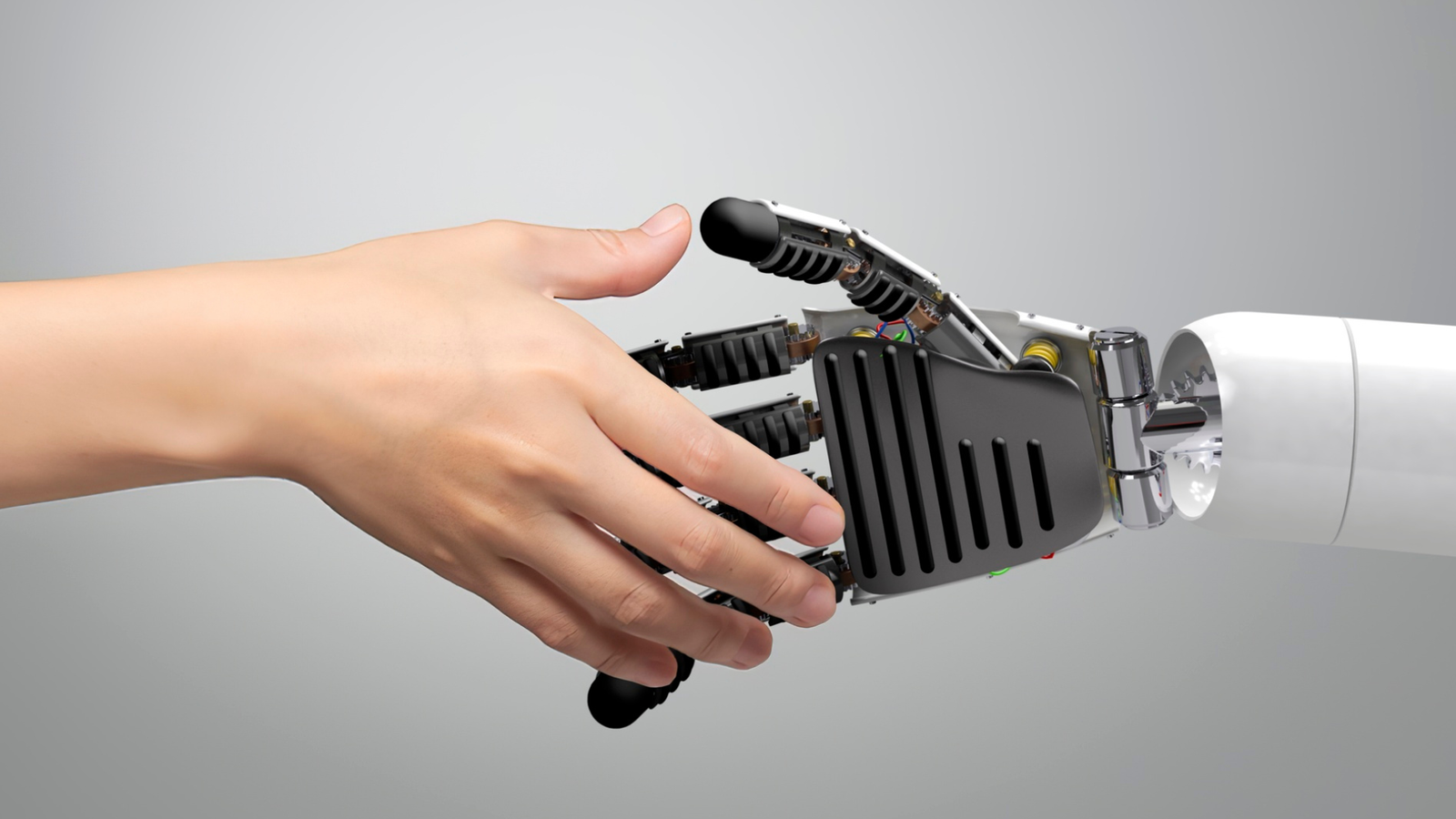
The future of work will be a collaboration between humans and AI, where each contributes their unique strengths to create better outcomes than either could achieve alone. Those who embrace this partnership will thrive in the exciting new world of work that AI is creating.










YouTube has officially announced the new AI-driven creation tools for generating the unique and best Shorts, according to a recent blog post by the platform.
The new features include a Photo to video converter, generative effects, and access to an AI playground for experimenting with creative outputs.
Photo to video tool
The Photo to video tool allows users to transform still images from their camera roll into animated Shorts. Users can select a photo and apply creative suggestions that add motion, such as animating landscapes, objects or group pictures.
This feature is being rolled out across the United States, Canada, Australia and New Zealand, with more regions expected to follow later in the year. For your information, it is available for free.
Both the Photo to video and generative effects are powered by Google’s Veo 2 technology. YouTube said Veo 3 would be integrated into Shorts later this summer.
The feature is currently available in the US, Canada, Australia and New Zealand and can be accessed by tapping the create button, followed by the sparkle icon.
YouTube noted that AI-generated content will include SynthID watermarks and clear labels to indicate that it was created using artificial intelligence.
According to the blog post, the new tools are designed to make the creative process more accessible, while preserving transparency about AI use in content creation.
Google has officially released a series of updates to Firebase Studio aimed at expanding its AI development capabilities and deepening integration with popular frameworks and Firebase services.
For your information, the released features were unveiled at I/O Connect India.
At the core of the update are AI-optimised templates for Flutter, Angular, React, Next.js, and general Web projects. These templates enable developers to build applications in Firebase Studio using Gemini, Google’s AI assistant, with the workspace defaulting to an autonomous Agent mode.
“We’re unveiling new updates that help you combine the power of Gemini with these new features to go from idea to app using some of your favourite frameworks and languages,” said Vikas Anand, director of product management at Google.
Firebase Studio now supports direct prompting of Gemini to integrate backend services. Developers using App Prototyping Agent or an AI-optimised template can simply describe the desired functionality, and Gemini will recommend and incorporate relevant Firebase services, including adding libraries, modifying code, and assisting with configuration.
“You can get assistance from Gemini to help you plan and execute tasks independently without waiting for step-by-step approval,” said Jeanine Banks, vice president and general manager, Developer X at Google.
Nvidia reportedly plans to resume sales to China that’s become part of a global race pitting the world’s biggest economies against each other. The company’s announcement on Monday comes after Nvidia CEO Jensen Huang met with President Donald Trump at the White House last week.
AMD AI Chip Plan For China
AMD also planning to restart sales of its AI chips to China. “We were recently informed by the Department of Commerce that license applications to export MI308 products to China will be moving forward for review,” the company said in a statement to CNN. “We plan to resume shipments as licenses are approved. We applaud the progress made by the Trump Administration in advancing trade negotiations and its commitment to US AI leadership.”
Treasury Secretary Scott Bessent told Bloomberg in an interview Tuesday that the Nvidia export controls have been a “negotiating chip” in the larger US-China trade talks, in which the two countries have made a deal to lower tariffs charged on one another.
The same day Commerce Secretary Howard Lutnick said that the resumption of Nvidia’s AI chip sales to China was part of the trade agreement with Beijing on rare earths. “We put that in the trade deal with the magnets,” he told Reuters, referring to rare earth magnets.
“In order for America to be the world leader, just like we want the world to be built on the American dollar, using the American dollar as a global standard, we want the American tech stack to be the global standard,” Huang told CNN’s Fareed Zakaria in an interview that aired Sunday. “We love that the internet is created by American technology and is built on American technology, and so we should continue to aspire to that.”


 AI News8 months ago
Google Expands Firebase Studio with AI Tools for Popular Frameworks

 AI News8 months ago
Turn Photos into Videos Using Google Gemini AI
- AI News8 months ago
Apple New AI Model Can Detect Pregnancy With 92 percent
- AI News8 months ago
YouTube rolls out new AI-powered tools for Shorts creators

 AI Tutorial9 months ago
How to Turn Off Microsoft AI Features
- AI News8 months ago
OpenAI has now restored the services after outage
- AI News8 months ago
Google hires Windsurf execs in $2.4 billion deal
- AI Tools8 months ago
Is This Simple Note-Taking App the Future of AI?

Pingback: How Technology is Changing Education: A Simple Guide - AI Tools Daddy
Pingback: How to Keep Your Job Safe in the Age of AI - AI Tools Daddy