
AI News
GPT-5 is Coming Soon – And It’s Going to Change Everything

Remember when ChatGPT first blew your mind? I do. It was late 2022, and I spent hours asking it random questions, watching in disbelief as it crafted responses that seemed almost… human. Fast forward to today, and we’re about to witness something even bigger. OpenAI just dropped a news: GPT-5 is launching this summer, and frankly, I don’t think we’re ready for what’s coming.
Here’s what you need to know, why it matters, and how it’ll likely reshape your world – whether you’re ready or not.
The Journey So Far: How We Got Here
Let’s face it – the AI race has been absolutely wild. When GPT-3 launched in 2020, it was impressive but felt like a clever party trick. You could make it write poems or answer trivia questions, but it wasn’t exactly revolutionary for most people’s daily lives.
Then came GPT-4 in March 2023. That’s when things got real. Suddenly, AI wasn’t just generating text – it was solving complex problems, analyzing images, and helping professionals with tasks that previously required years of expertise. I know lawyers who use it for research, doctors who bounce ideas off it, and teachers who’ve completely revamped their lesson plans.
But here’s the thing that keeps me up at night: if GPT-4 was this transformative, what exactly is GPT-5 going to do to us?
What Makes GPT-5 Different? (Spoiler: Everything)
You know how every iPhone upgrade promises to be “revolutionary,” but it’s usually just a better camera? Well, GPT-5 isn’t your typical incremental update. Based on what we’re hearing from industry insiders and the patterns we’ve seen, this is going to be a genuine leap forward.
Reasoning That Actually… Reasons
Here’s where it gets interesting. GPT-4 is smart, but it’s also prone to confident-sounding nonsense. You’ve probably experienced this – it’ll give you a detailed answer that sounds perfect until you realize it’s completely wrong about a basic fact.
GPT-5 is expected to think more like you and I do. Instead of just pattern-matching from its training data, early reports suggest it’ll engage in genuine multi-step reasoning. Imagine asking it to plan a complex project, and instead of giving you a generic template, it actually considers your specific constraints, resources, and goals.
I tested this concept with a friend who’s a project manager. She gave GPT-4 her company’s actual logistics challenge, and while the response was impressive, it missed several critical real-world factors. GPT-5 might actually catch those nuances.
Context That Doesn’t Forget
Ever had a long conversation with ChatGPT, only to have it completely forget what you discussed at the beginning? It’s frustrating, right? GPT-5 is rumored to have a massively expanded memory – think of it as the difference between having a five-minute conversation and having a friend who remembers everything you’ve ever talked about.
This isn’t just convenient; it’s transformative. Imagine an AI assistant that knows your work projects, remembers your preferences, and can reference conversations from weeks ago. It’s like having a colleague who never forgets and is available 24/7.
Beyond Text: The Multimedia Revolution
While GPT-4 can analyze images alongside text, GPT-5 is expected to handle audio, video, and potentially other data types seamlessly. Picture this: uploading a video of your latest presentation and getting detailed feedback not just on your content, but on your delivery, body language, and audience engagement.
A friend of mine runs a YouTube channel, and she’s already excited about the possibility of an AI that can analyze her videos holistically – understanding not just the script, but the visual elements, pacing, and even the emotional tone of her delivery.
Real-World Impact: Where You’ll Feel the Change
Your Work Life Will Never Be the Same
I’ve been talking to professionals across different industries, and the consensus is clear: GPT-5 will fundamentally change how we work. But it’s not what you might expect.
Take Sarah, a marketing director I know. She doesn’t use AI to replace her creativity – she uses it to amplify it. With GPT-4, she can brainstorm campaign ideas and get feedback on her strategies. With GPT-5’s enhanced reasoning, she’s expecting something closer to having a senior strategist on her team.
Here’s what’s really exciting: GPT-5 might finally bridge the gap between AI assistance and AI partnership. Instead of asking it to write something for you, you might find yourself actually collaborating with it, bouncing ideas back and forth like you would with a talented colleague.
Education Gets Personal (Finally)
My daughter’s teacher recently told me something that stuck with me: “Every student learns differently, but I can’t create 25 different lesson plans for one class.” GPT-5 might solve this problem.
Imagine an AI tutor that understands not just what you’re learning, but how you learn best. It could adapt its teaching style in real-time, provide examples that resonate with your interests, and identify exactly where you’re struggling before you even realize it yourself.
This isn’t just theory. I’ve seen early pilots where AI tutors help students with complex subjects like calculus or chemistry, adjusting their approach based on each student’s learning patterns. GPT-5 could scale this personalization to every subject, every student.
Healthcare: From Helper to Partner
Dr. Martinez, a physician I interviewed, put it perfectly: “I don’t want AI to replace my judgment, but I want it to make me smarter.” GPT-5’s advanced reasoning could do exactly that.
Picture a scenario where a doctor inputs complex symptoms, and instead of just suggesting possible diagnoses, the AI walks through its reasoning process, highlights potential complications, suggests follow-up questions, and even identifies treatment options the doctor might not have considered.
This isn’t about replacing doctors – it’s about giving every physician access to the collective medical knowledge of the world, processed through advanced reasoning capabilities.
The Challenges We Can’t Ignore
The “Too Smart for Our Own Good” Problem
Here’s what worries me about GPT-5: it might be too effective. When AI becomes indistinguishable from human expertise in many areas, how do we maintain our own skills? I’ve already noticed my mental math getting rusty since I started relying on calculators for everything.
There’s a real risk that we become overly dependent on AI for thinking. It’s like GPS navigation – incredibly useful, but many of us can no longer read a paper map or navigate by landmarks.
The Access Divide
Let’s be honest about something uncomfortable: GPT-5 will likely require significant computational resources. This means the most advanced AI capabilities might remain expensive, creating a new kind of digital divide.
Small businesses, students, and individuals in developing countries might be left behind if they can’t afford access to cutting-edge AI. This isn’t just unfair – it’s economically inefficient and could exacerbate existing inequalities.
Jobs: The Uncomfortable Truth
I won’t sugarcoat this: GPT-5 will likely eliminate some jobs while creating others. But the transition won’t be smooth or equitable.
My friend Jake works in customer service, and he’s already seeing AI handle more complex inquiries. He’s smart – he’s learning to work alongside AI rather than compete with it. But not everyone has that luxury or opportunity.
The question isn’t whether jobs will be affected (they will), but whether we’ll support people through the transition.
Getting Ready for the GPT-5 Era
Start Experimenting Now
Don’t wait for GPT-5 to drop before you start understanding AI. Begin with GPT-4, Claude, or other current models. Learn their strengths, weaknesses, and quirks. The people who’ll thrive in the GPT-5 era are those who understand how to collaborate with AI effectively.
I recommend spending at least an hour a week experimenting with AI tools relevant to your field. Try different prompting techniques, explore various use cases, and pay attention to where AI excels and where it falls short.
Focus on Uniquely Human Skills
While GPT-5 will be incredibly capable, there are still things humans do better. Emotional intelligence, creative problem-solving, ethical reasoning, and relationship building remain largely human domains.
Invest in these skills now. Take that leadership course, practice public speaking, develop your emotional intelligence. These capabilities will become more valuable, not less, as AI handles more routine cognitive tasks.
Stay Informed, Stay Critical
The AI landscape changes rapidly. Follow credible sources, understand the limitations of current technology, and maintain a healthy skepticism about bold claims.
Most importantly, form your own opinions about how AI should be integrated into society. The decisions made in the next few years will shape AI’s role for decades to come.
What This Means for You
GPT-5 isn’t just another tech upgrade – it’s a potential inflection point in human history. We’re talking about AI that might genuinely augment human intelligence rather than just automating tasks.
Think about what this means for your career, your education, your creativity, and your daily life. The changes won’t happen overnight, but they’ll be profound.
Here’s my advice: embrace the possibilities while staying grounded in reality. GPT-5 will be powerful, but it won’t solve all our problems. It might create new ones. The key is approaching this technology thoughtfully, understanding both its potential and its limitations.
Summer 2025 is shaping up to be a defining moment in AI development. GPT-5 will likely set new standards for what we expect from artificial intelligence, and those expectations will ripple through every industry, every profession, and every aspect of our digital lives.
The question isn’t whether GPT-5 will change things – it’s how we’ll adapt to those changes. Will we use this technology to enhance human potential, or will we let it diminish our own capabilities? Will we ensure broad access to these powerful tools, or will they become another source of inequality?
These aren’t questions for tech companies to answer alone. They’re questions for all of us, because GPT-5’s impact will be felt by everyone, whether we’re ready or not.
So here’s my challenge to you: start preparing now. Learn about AI, experiment with current tools, develop uniquely human skills, and think critically about the kind of AI-integrated future you want to live in. Because that future is coming this summer, and it’s going to be here sooner than you think.
Are you ready?






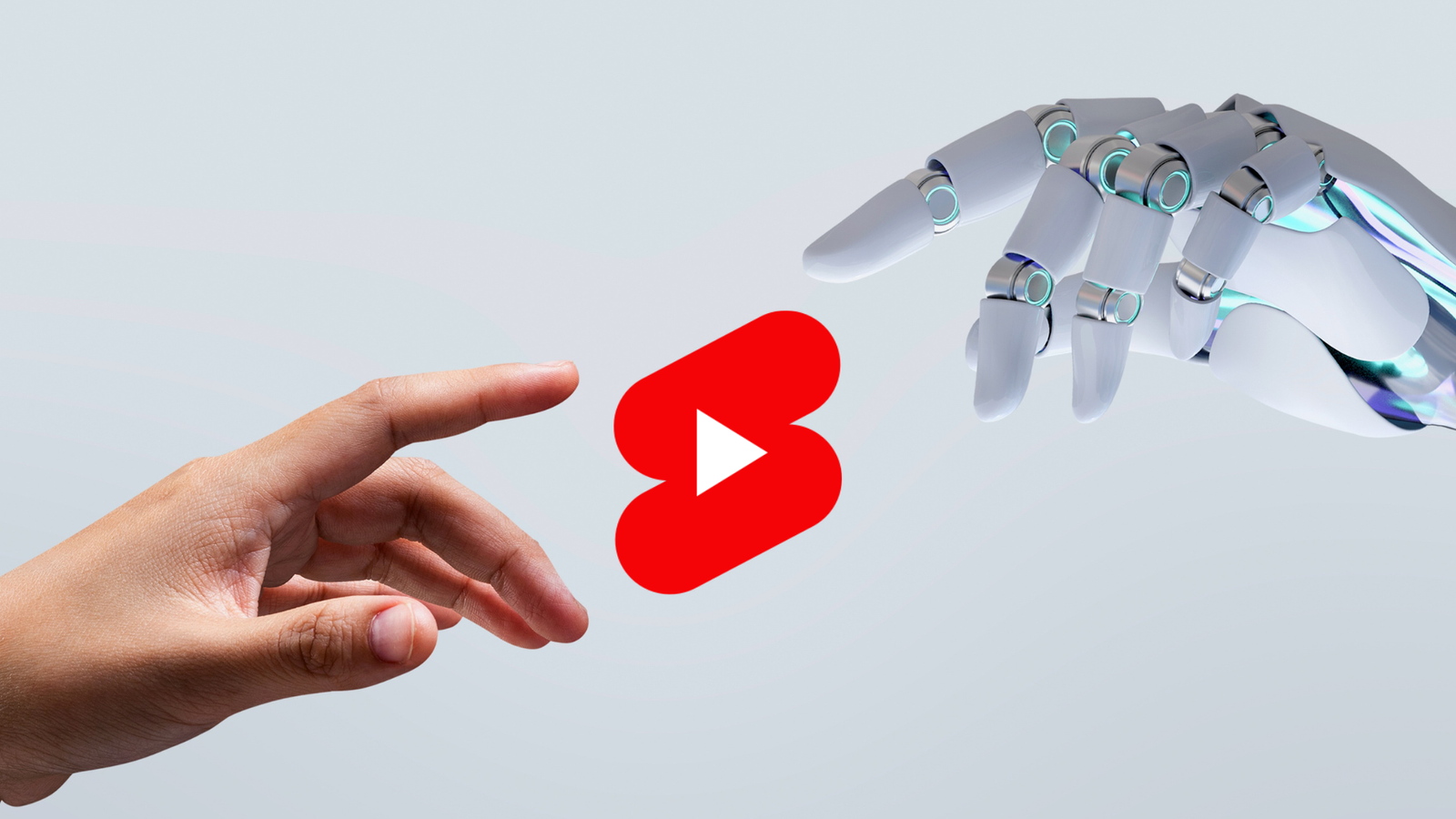
YouTube has officially announced the new AI-driven creation tools for generating the unique and best Shorts, according to a recent blog post by the platform.
The new features include a Photo to video converter, generative effects, and access to an AI playground for experimenting with creative outputs.
Photo to video tool
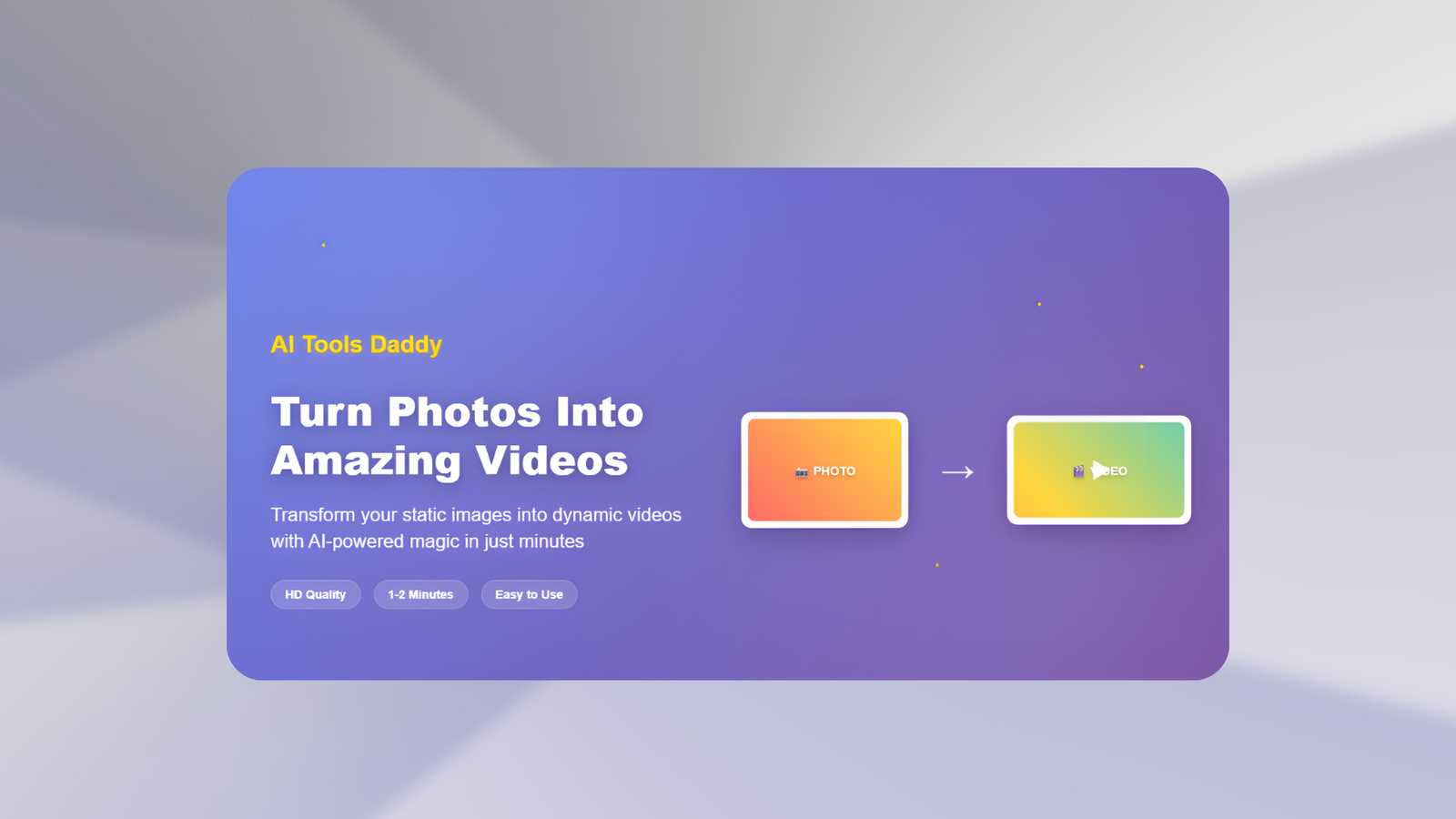
The Photo to video tool allows users to transform still images from their camera roll into animated Shorts. Users can select a photo and apply creative suggestions that add motion, such as animating landscapes, objects or group pictures.
This feature is being rolled out across the United States, Canada, Australia and New Zealand, with more regions expected to follow later in the year. For your information, it is available for free.
Both the Photo to video and generative effects are powered by Google’s Veo 2 technology. YouTube said Veo 3 would be integrated into Shorts later this summer.
The feature is currently available in the US, Canada, Australia and New Zealand and can be accessed by tapping the create button, followed by the sparkle icon.
YouTube noted that AI-generated content will include SynthID watermarks and clear labels to indicate that it was created using artificial intelligence.
According to the blog post, the new tools are designed to make the creative process more accessible, while preserving transparency about AI use in content creation.
Google has officially released a series of updates to Firebase Studio aimed at expanding its AI development capabilities and deepening integration with popular frameworks and Firebase services.
For your information, the released features were unveiled at I/O Connect India.
At the core of the update are AI-optimised templates for Flutter, Angular, React, Next.js, and general Web projects. These templates enable developers to build applications in Firebase Studio using Gemini, Google’s AI assistant, with the workspace defaulting to an autonomous Agent mode.
“We’re unveiling new updates that help you combine the power of Gemini with these new features to go from idea to app using some of your favourite frameworks and languages,” said Vikas Anand, director of product management at Google.
Firebase Studio now supports direct prompting of Gemini to integrate backend services. Developers using App Prototyping Agent or an AI-optimised template can simply describe the desired functionality, and Gemini will recommend and incorporate relevant Firebase services, including adding libraries, modifying code, and assisting with configuration.
“You can get assistance from Gemini to help you plan and execute tasks independently without waiting for step-by-step approval,” said Jeanine Banks, vice president and general manager, Developer X at Google.
Nvidia reportedly plans to resume sales to China that’s become part of a global race pitting the world’s biggest economies against each other. The company’s announcement on Monday comes after Nvidia CEO Jensen Huang met with President Donald Trump at the White House last week.
AMD AI Chip Plan For China
AMD also planning to restart sales of its AI chips to China. “We were recently informed by the Department of Commerce that license applications to export MI308 products to China will be moving forward for review,” the company said in a statement to CNN. “We plan to resume shipments as licenses are approved. We applaud the progress made by the Trump Administration in advancing trade negotiations and its commitment to US AI leadership.”
Treasury Secretary Scott Bessent told Bloomberg in an interview Tuesday that the Nvidia export controls have been a “negotiating chip” in the larger US-China trade talks, in which the two countries have made a deal to lower tariffs charged on one another.
The same day Commerce Secretary Howard Lutnick said that the resumption of Nvidia’s AI chip sales to China was part of the trade agreement with Beijing on rare earths. “We put that in the trade deal with the magnets,” he told Reuters, referring to rare earth magnets.
“In order for America to be the world leader, just like we want the world to be built on the American dollar, using the American dollar as a global standard, we want the American tech stack to be the global standard,” Huang told CNN’s Fareed Zakaria in an interview that aired Sunday. “We love that the internet is created by American technology and is built on American technology, and so we should continue to aspire to that.”



 AI News7 months ago
Google Expands Firebase Studio with AI Tools for Popular Frameworks

 AI News7 months ago
Turn Photos into Videos Using Google Gemini AI
- AI News7 months ago
Apple New AI Model Can Detect Pregnancy With 92 percent
- AI News7 months ago
Google hires Windsurf execs in $2.4 billion deal
- AI News7 months ago
OpenAI has now restored the services after outage

 AI Tutorial7 months ago
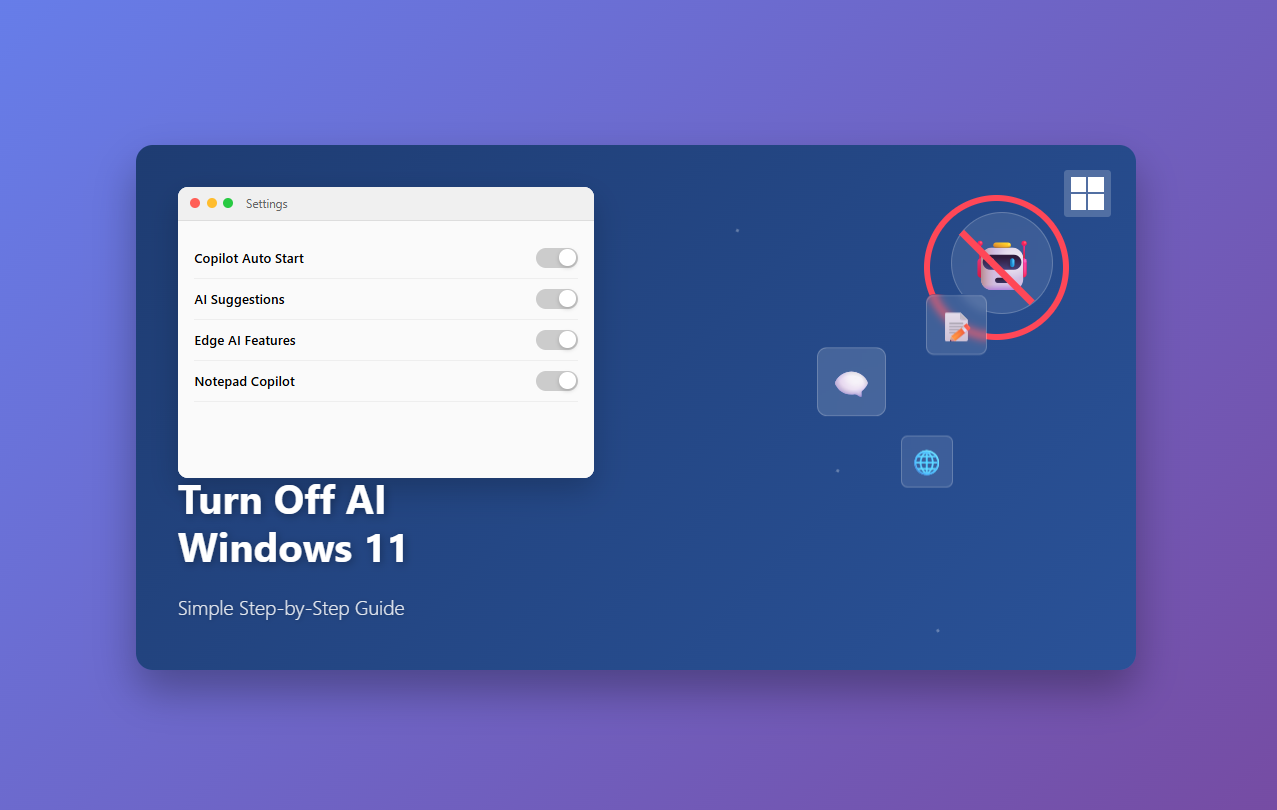
How to Turn Off Microsoft AI Features
- AI News7 months ago
YouTube rolls out new AI-powered tools for Shorts creators
- AI News8 months ago
Google launches Gemini CLI, an open source AI agent

Pingback: Meta Outbids Apple in Fight for Top AI Talent - AI Tools Daddy
Pingback: Three AI Giants Announce Joint Initiative to Train 400,000 Educators - AI Tools Daddy